

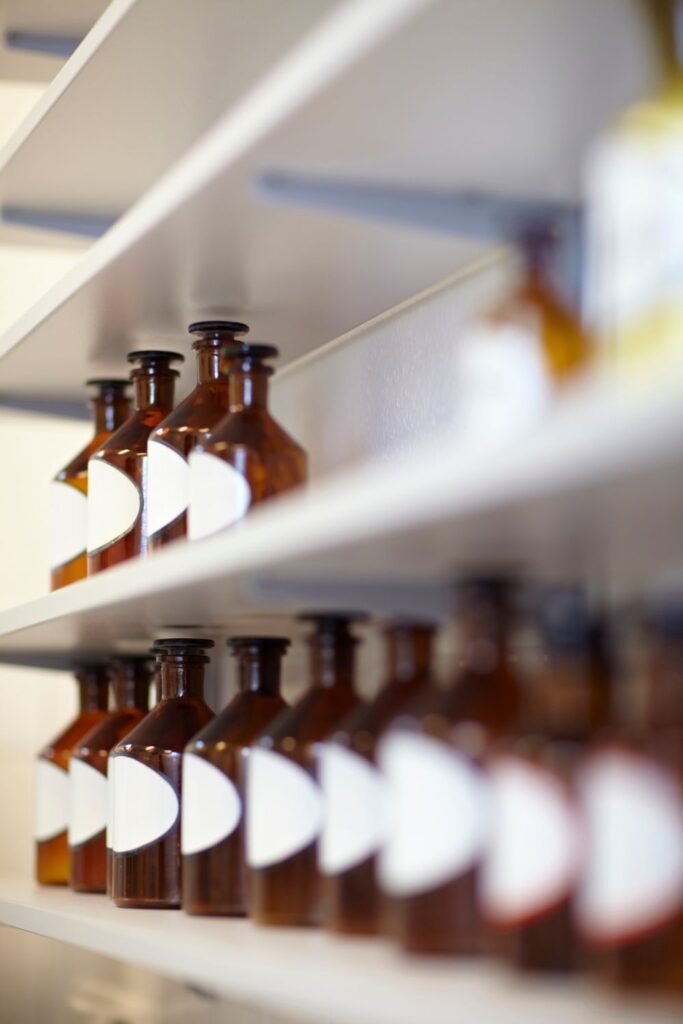
Each ship, depending on the category of cargo it carries, its size, the voyages it performs and the presence or absence of a doctor on board, has a set of medicines (medical chest) and a "hospital room" where, with the equipment available, it is possible to treat a person's illness or injury.
The requirements for the contents of the medical chest and related ship facilities are contained in the Maritime Labor Convention 2006 (MLC, 2006), the Quantifi cation Addendum and the International Medical Guide for Ships, 3rd Edition, published by World Health Organization (WHO).
If the ship is carrying dangerous cargo, the contents of the medical chest should comply with the International Maritime Dangerous Goods Code (IMDG), otherwise the instructions of the competent authority of the flag state (maritime administrator) should be followed.
"We are here on Earth to do good to others. What the others are here for, I don't know.”
JOHN DOE
The management of the ship's pharmacy and the treatment of medical incidents are particularly demanding responsibilities, which usually belong to the ship's medical care person in charge, as he is the appropriately trained officer for the specific task. In addition, they are supported by an experienced and trained bridge officer (medical first aid provider), always under the supervision of the mate.
Census Form
More specifically, the ship keeps the inventory form (medical log) of the pharmacy up to date, depending on the administration of the medicines that are made and their expiry dates. When the ship is in port or in any other possible circumstance, it will receive the necessary medicines to be replenished and will discard the expired and used medicines on land, separately from the rest (medical waste), under specific conditions.
The administration of medicines and the treatment of medical emergencies are done with the help of telemedicine (by telephone or via e-mail), so advice and instructions are provided in every case. The above events are recorded in various forms (recordkeeping), to facilitate the relevant procedures.
Depending on the regulations of the ship's administrator, some drugs are categorized as narcotic substances (psychotropic substances, opiates, anxiolytics, anesthetics, etc.) and are stored separately (master's safe locker) with increased security, under the master's responsibility, and are administered under his supervision.

Ship's Infirmary
Finally, the ship's "hospital room" is adequately equipped, able to respond to serious medical incidents, and among other things has: a configured hospital bed/bed, separate bathroom/toilet area, separate ventilation and emergency power supply. The specific area (hospital room) is located in an easily accessible part of the accommodation area of the ship, with direct access to the main deck of the ship, to facilitate the transport of patients.
Leave a Reply